
Quick Answer
After 25 years guiding visitors through Cappadocia, I can tell you the region offers far more than those famous hot air balloon photos. You’ll find ancient underground cities carved 200 feet below ground, five distinct valleys with hiking trails that show you landscapes you won’t find anywhere else, traditional pottery workshops where artisans still use wheels their families have owned for generations, and wine tasting from the local Emir grape that deserves more attention than it gets. The best visits mix the famous highlights with quieter experiences—spending dawn watching balloons rise over Göreme, then walking through Ihlara Canyon where you’ll hear nothing but water and birdsong, then ending with a cooking class where you make your own Turkish pastry. That’s Cappadocia done right.
1. Hot Air Balloon Rides at Sunrise
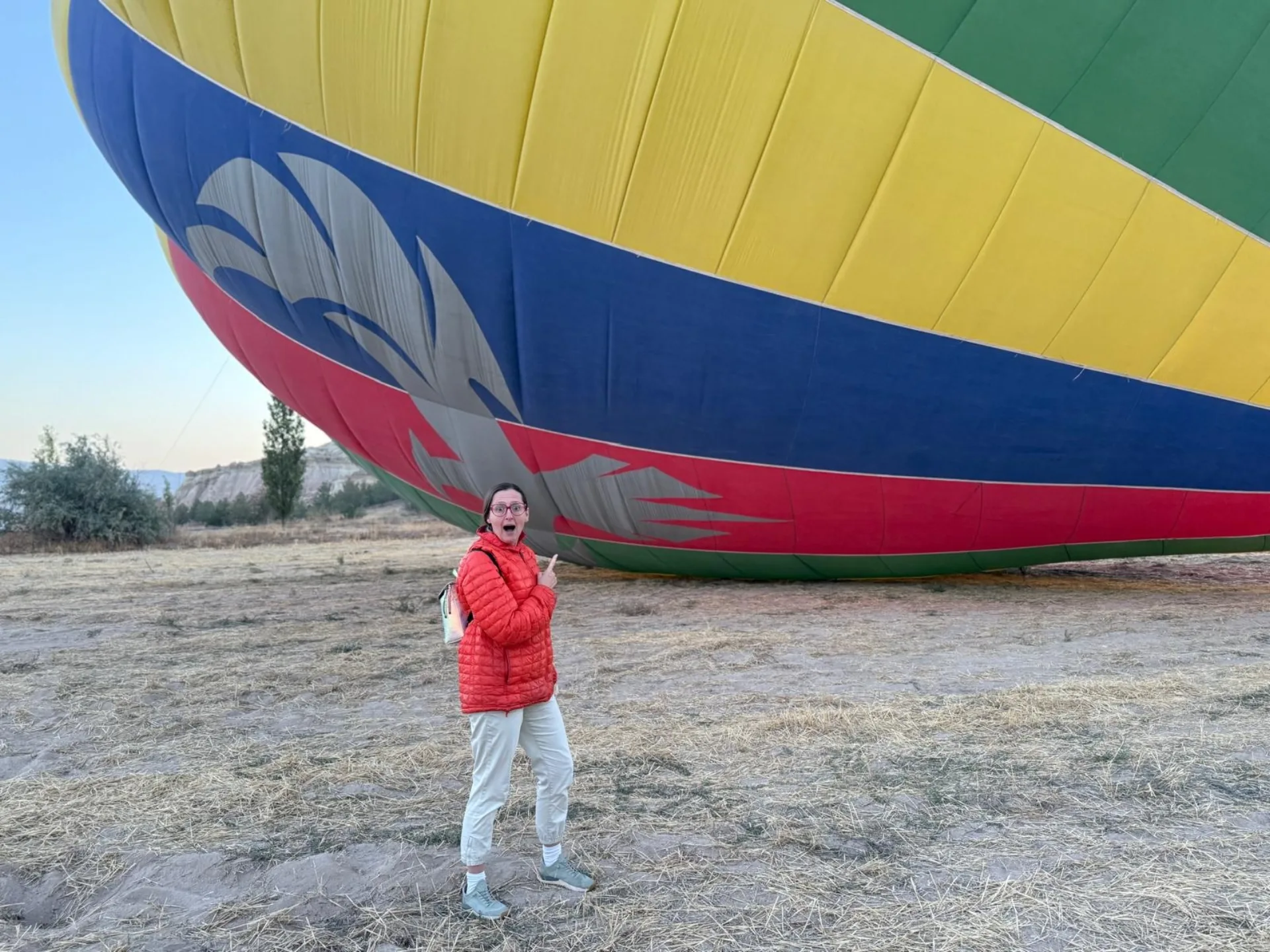
This is the signature experience, and honestly, it deserves the reputation. We arrange most of our balloon flights for 5:30 AM departures—you’re picked up from your hotel before sunrise, driven to the launch field, and in the air by 6:00 AM. The balloons rise slowly over Göreme, Rose Valley, and Pasabag, and the light at that hour is something photographs can’t capture. The air is still and cool, the landscape rolls beneath you in shades of pink and orange, and you see the valleys from a perspective that changes how you understand the region’s geography.
Practical details: Flights run year-round, but November through March are clearest. Each balloon holds 16-28 passengers in shared baskets, though private baskets exist at higher prices. Flights last 45 minutes to an hour, including 15 minutes on the ground for setup. Cost runs 150-250 USD per person depending on season. Book directly with established operators—we work with companies that have been flying the same routes for 15+ years. The landing is surprisingly smooth; the pilot descends into an open field and the crew guides you down gently.
Weight restrictions apply (typically 265 lbs maximum), and you should wear closed-toe shoes. Bring a light jacket—it’s cold at altitude even in summer. After landing, most operators offer a champagne toast and a certificate, which feels tourist-y but is tradition here.
2. Explore Göreme Open Air Museum
Göreme is the heart of Cappadocia’s monastic heritage. The museum sits in a valley, and what you see are churches carved directly into fairy chimneys—not buildings built on top of rock, but caves tunneled into single stone formations. Many were carved between the 10th and 12th centuries and contain frescoes that are now faded but still visible. The Dark Church (Karanlık Kilise) still shows vivid colors in parts because the low light inside preserved the pigment.
Practical details: Entry is 300 Turkish Lira (about 10 USD). The site is open daily 8 AM to 7 PM in summer, 8 AM to 5 PM in winter. You walk at your own pace—it’s not a guided tour unless you arrange one. Plan 2-3 hours minimum. The terrain is rocky and uneven; wear sturdy shoes. Some churches require small additional fees to enter (20-50 Lira for the Dark Church, for example). Photography is restricted inside certain churches to protect the frescoes.
The best approach is to arrive early, around 8:15 AM when gates open. This gives you the churches with minimal crowds and the best light for the rock formations themselves. The valley gets busy between 10 AM and 2 PM.
3. Underground Cities: Derinkuyu and Kaymaklı
Below Cappadocia sit two of Turkey’s most remarkable archaeological sites—entire cities carved underground, some reaching eight stories deep. Derinkuyu is the more complete, with over 600 rooms including living quarters, stables, storage, churches, and wine presses. Kaymaklı is older and even more complex in layout, though less fully excavated. These aren’t dungeons or military fortifications; they’re actual cities where families lived, worked, and raised children.
The theory is that these developed around 1200 BCE when Hittites ruled the region, and they were expanded and used extensively during the Byzantine period (roughly 400-1000 CE) when Christians sought refuge from Arab raids. Walk through a narrow corridor 50 feet below the surface, squeeze through a 2-foot-wide passage that once connected districts, and you understand the practical genius—every room serves multiple purposes, ventilation shafts rise the full height to provide air, and stone doors that once barricaded sections are still visible in their frames.
Practical details: Derinkuyu entry is 300 Lira. Kaymaklı is also 300 Lira. Both are open 8 AM to 7 PM in summer, 8 AM to 5 PM in winter. You walk at your own pace, though the passages are narrow and uneven. Derinkuyu has better signage and feels less claustrophobic. Visit one in the morning and the other in the afternoon—they’re 20 minutes apart by car.
Fair warning: the underground is cool year-round (around 55°F/13°C), and some passages require bending or stepping carefully. Claustrophobic visitors should know there are moments when you’re in a low-ceilinged passage with other tourists, and it can feel tight.
4. Valley Hiking: Rose, Red, Love, and Ihlara
Cappadocia has five main hiking valleys, each with distinct landscapes and difficulty levels.
Rose Valley is the most popular and easiest—a loop walk of 1.5 hours over flat ground with views of pale pink-white formations and cave churches. It connects to Göreme visually and works well if you want hiking without technical challenge. Red Valley (Kızılçin) offers steeper terrain and more dramatic color contrasts in the rock—rust, cream, and dark gray. Budget 2-3 hours for the main loop. The hike starts near Çavuşin village.
Love Valley got its name from phallic-shaped formations (you’ll understand when you see them) and makes for a 2-3 hour walk with moderate difficulty. It’s quieter than Rose Valley and ends at a scenic viewpoint.
Ihlara Canyon is different—a deep river valley with a year-round stream, narrow walls, and churches carved into cliffs. The walk down and back up takes 3-4 hours, but you’re walking along the river with shade and the sound of water. It’s spectacular, especially in spring when wildflowers bloom and the water flow is high. Pigeon Valley is a shorter, easier walk (1-2 hours) around Uçhisar, with less elevation change.
Practical details: Valleys are free to enter. The best time for hiking is April-May and September-October—summer heat makes mid-day walking uncomfortable, and winter brings rain and unpredictable conditions. Start early (7-8 AM) and bring 2-3 liters of water per person. Trails are marked with paint blazes but can be confusing; hiring a local guide costs 150-250 USD for a group. Wear proper hiking shoes—the terrain includes loose rock and can be slippery in places.
For best time to visit, spring (late April and May) offers blooming wildflowers and comfortable temperatures. Avoid August entirely if you’re hiking—temperatures regularly reach 95°F/35°C+.
5. Hot Air Balloon Guide and Preparation
Beyond just taking a balloon ride, understanding how they work and what to expect makes the experience richer. We run what I’d call a “balloon guide experience”—guests arrive early, help inflate the balloon, watch the propane burners heat the air, and learn why it all works. The burst of heat from the burners is louder than you’d expect and feels intense when the basket is still on the ground. Then comes the lift, gradual and smooth, and suddenly the ground is 1,000 feet below.
See our detailed balloon guide for the complete breakdown of what happens before, during, and after a flight.
6. Horseback Riding Through the Valleys
Horseback riding offers a different perspective on Cappadocia’s landscape. A typical ride follows valley trails, lasts 2-4 hours, and gives you time to move at a slower pace and notice details—the color layers in the rock, cave entrances, old carved storage silos. The horses are accustomed to tourists, calm, and used to varying skill levels.
Practical details: Costs run 60-100 USD for 2-3 hours. Rides operate year-round, though summer heat makes afternoon rides uncomfortable. Morning rides (7-11 AM) are preferable. Wear pants (not shorts) to avoid chafing, and closed-toe shoes with some heel. Previous riding experience is helpful but not required.
Most stables also offer sunset rides, which can be atmospheric if the group is small and the timing works. Larger group rides become more about managing many horses than enjoying the landscape.
7. ATV Tours
For visitors who want speed and adventure, ATV tours cover ground quickly and reach more remote areas than walking. A typical tour runs 4-5 hours, goes through multiple valleys, passes through villages, and might include lunch at a local home. The experience is loud and dusty but undeniably fun, and you see the same landscape from a completely different angle.
Practical details: Cost is typically 100-150 USD per ATV for a full day tour, often including a meal. Tours depart early (around 9 AM) and return by 4-5 PM. You must have a valid driver’s license. Helmets are provided. The riding is not technically difficult—mostly flat terrain with some gentle inclines. Dust is the main drawback; bring goggles or sunglasses and expect to be dusty for the rest of the day.
We typically recommend ATV tours for younger visitors or those with limited time. They’re efficient but less meditative than hiking.
8. Pottery Workshop in Avanos
Avanos sits on the Kızılırmak River, which has provided red clay for pottery-making for centuries. The workshops here still follow techniques passed through generations. You sit at a pottery wheel—some electric, some hand-spun—and the master shows you how to center clay, pull the walls up, and shape a vessel. Most visitors can make a basic bowl or cup in 30-45 minutes.
Practical details: Workshop costs run 30-50 USD per person for a 1-2 hour session, often including a glass of tea and a small finished piece to take home. Workshops operate daily, year-round. No experience is required. The work is messier than you’d expect—clay splashes, your hands get wet, and your clothes may get stained, so dress accordingly.
The real value is the conversation with the potter. Many have been making pottery since childhood and can tell you about clay sources, firing techniques, and the market for Turkish ceramics. It’s one of the few activities that feels genuinely collaborative rather than tourist-focused.
9. Wine Tasting: Emir Grape and Local Producers
Cappadocia’s volcanic soil produces distinctive wines, and the white Emir grape is what you should know. It’s mineral, crisp, and grows almost exclusively in this region—you’ll struggle to find it elsewhere. We have partnerships with several family-run wineries that keep production small and quality high.
A typical tasting includes 4-6 wines, regional cheeses and olives, and conversation about how the volcanic terroir affects flavor. Most sessions last 1.5-2 hours. The wineries are typically small operations—you might meet the owner, and production might be measured in thousands of bottles, not millions.
Practical details: Wine tastings cost 40-60 USD per person, including food pairings. Several wineries offer lunch or lunch options. The Emir wines run 15-25 USD per bottle retail and are worth purchasing if you enjoy them—they transport well and make good gifts.
Be aware that wine tasting at elevation (Cappadocia sits at about 3,600 feet/1,100 meters) hits differently than at sea level. The alcohol effects can be more pronounced due to the thinner air. Eat well beforehand and drink water.
10. Turkish Night Show and Dance Performance
Turkish Night is a cultural performance with folk dancing, whirling dervish demonstrations, fire eating, and traditional music. It’s overtly touristic and unapologetically so—you’re watching entertainment staged for visitors. That said, the dancers are skilled and the energy is genuine, and for visitors unfamiliar with Turkish culture, it conveys something real about the region’s heritage.
Performances run 2-2.5 hours, include dinner (typically kebab, vegetable, rice, salad, dessert), and cost 60-100 USD per person depending on whether you book directly or through a hotel.
Practical details: Shows run nightly at specific venues in Göreme and Ürgüp. Quality varies—book through established venues that your hotel can confirm. Expect noise, crowds, and a fairly predictable sequence of acts. The whirling dervish section is the highlight for most visitors; the spinning is meditative to watch even knowing it’s choreographed.
I’ll be honest: this is tourism at its most curated. But if you want an evening of performance and cultural exposure, it’s competently done.
11. Sunrise and Sunset Viewpoints
The light in Cappadocia at dawn and dusk is extraordinary. We have several established viewpoints—some crowded and accessible, some quieter and requiring more effort to reach.
Love Valley Viewpoint is the most famous sunset spot; it fills with tour groups by 5:30 PM in season. Uçhisar Castle offers 360-degree views and is good for both sunrise and sunset. Paşabağ (Monk’s Valley) is excellent for sunrise—fewer crowds, and the light hits the formations early. Devrent Valley (Imagination Valley) is scenic and often overlooked by tourists; the formations have fantastical shapes (camel, dolphin, mushroom) depending on your perspective.
For sunrises, start driving before 5:30 AM in summer. Sunsets require leaving your activity by 5:00 PM latest to position yourself well.
12. Uçhisar Castle and Panoramic Views
Uçhisar Castle is a natural fortress carved into a rock formation, with a walkway spiraling to the top. Entry costs 60 Lira and the climb takes 15-20 minutes. At the summit, you see across six valleys—Göreme, Rose, Red, Love, Ihlara, and beyond. On clear days, you see Mount Erciyes, a dormant volcano, 60 kilometers away.
The castle itself dates to Roman times but was expanded in the Byzantine and Ottoman periods. It’s not a structure you walk through—it’s the rock formation itself that’s been fortified. The climb is steep and involves narrow stairs, some low doorways, and exposed sections with chains for support.
Practical details: Open 8 AM to 7 PM daily. Best visited early morning or late afternoon to avoid heat and crowds. The view is worth the effort, and on a clear day, this is the single best panoramic view in Cappadocia. Bring water; there’s no shade on the climb.
13. Paşabağ (Monk’s Valley) and Fairy Chimneys
Paşabağ is a valley of multi-capped fairy chimneys—some formations have three distinct caps stacked atop a central column. The valley got its name from hermit monks who lived in caves here around the 5th-6th centuries. Walking through feels like entering another world; the formations are strange and sculptural, the scale is immense, and the silence is complete.
Practical details: Paşabağ is free to enter and accessible daily. Plan 45 minutes to an hour. There’s a small parking area and a simple path through the valley. No facilities or shade exist; bring water. Photography is excellent here—the formations are dramatic in all light, but late afternoon light is particularly golden.
This is my recommendation for visitors who have limited time—it combines natural spectacle with hiking ease and cultural history in one experience.
14. Turkish Cooking Class and Food Preparation
A cooking class typically runs 4-5 hours, includes a market visit to buy ingredients, and then teaches you to prepare 3-4 dishes (usually something savory like mantı or lentil soup, a main like kebab or vegetable stew, and a dessert like baklava or Turkish delight). You do the work with the instructor’s guidance, make mistakes, and eventually produce something you eat for lunch.
Practical details: Classes cost 60-100 USD per person and operate daily. You’re working in someone’s home kitchen, typically a family business. This is surprisingly intimate—you learn about ingredient sourcing, family recipes, seasonal eating. The instructors are patient with fumbling tourists and take genuine pride in the food they’re teaching you to make.
Wear an apron or old clothes (pastry work is messy), and let the instructor know about dietary restrictions when booking. Most can accommodate vegetarian cooking classes if you ask ahead.
15. Day Trip to Soğanlı and Remote Villages
Soğanlı is a village 45 minutes southeast of Göreme, less visited than central Cappadocia, with its own collection of cave churches and fairy chimneys. A full-day tour to Soğanlı typically includes visits to churches like Kubbeli Church (with Byzantine frescoes), hiking in the surrounding valleys, and lunch in the village. The advantage over staying in Göreme is that you see Cappadocia at a different pace—fewer tourists, more local interaction, and the landscape feels less curated.
Practical details: Full-day Soğanlı tours cost 80-150 USD per person including lunch and transportation. They depart early (around 8 AM) and return by 5 PM. This works well combined with other activities—you can do a half-day Soğanlı tour and still fit in a sunset viewpoint visit or evening Turkish night show.
Also consider the village of Devrent (Imagination Valley) for a shorter excursion, with its whimsically-named rock formations and quiet atmosphere.
For more on planning your visit, see where to stay in Cappadocia.
Devrent Valley: Imagination and Whimsy
Devrent Valley, sometimes called Imagination Valley, is where formations resemble animals or objects—a camel, a dolphin, a mushroom, a sleeping woman. The names are assigned somewhat loosely, and your imagination matters as much as the actual formation shape. It’s a short walk (30-45 minutes) through a valley with minimal crowds, and it offers a lighter, more playful experience than the more historically significant sites.
Practical details: Entry is free. No formal trails exist; you walk at your own pace through the main valley. This works well as an add-on to an afternoon that includes Paşabağ or Uçhisar. The best light is late afternoon when the formations cast long shadows that emphasize their silhouettes.
Practical Essentials
Best season: April-May and September-October offer comfortable temperatures (60-75°F/15-24°C), blooming wildflowers, and manageable crowds. June through August is hot (often 90°F+/32°C+), making outdoor activities challenging. November through March is cool and sometimes rainy, but dramatically fewer tourists. December-February sees occasional snow at higher elevations.
Getting around: Rent a car (with or without driver), join organized group tours, or arrange private guides through your hotel. Most hotels can arrange transport for specific activities. Distances are short—most sites are 30-60 minutes from central Göreme—so a single rental car for 2-3 days covers major highlights.
Entry fees summary: Most major sites cost 300 Turkish Lira (about 10 USD) for entry. Specific activities and meals add to costs. Keep receipts if you’re traveling on to other Turkish sites; some offer discounts with proof of recent entries.
Frequently Asked Questions
How many days do I need in Cappadocia?
Three days is the real minimum if you want to experience hot air balloons, major archaeological sites, valley hiking, and a cultural activity like cooking or pottery. With five days, you can add remote valleys, ATV tours, wine tasting, and more leisure time. Two days works if you’re focused purely on balloons and Göreme Open Air Museum, but you’ll feel rushed.
Is it safe to hike alone in Cappadocia valleys?
The main valleys are safe, well-traveled, and clearly visible. However, side trails can be confusing and some sections are isolated. I recommend hiring a local guide for your first valley hike—it costs 150-250 USD for a group and ensures you don’t get lost, and you’ll learn details about the geology, history, and ecology that solo hiking misses. After one guided hike, you’ll have better confidence navigating on your own.
What’s the difference between Derinkuyu and Kaymaklı underground cities?
Derinkuyu is larger (eight stories, over 600 rooms) and more fully excavated and reconstructed. Kaymaklı is more complex in layout and preserves more original features like millstones and stone doors, but it’s less touristy and easier to feel lost in. Visit both if you have time; if choosing one, Derinkuyu is more complete and accessible.
Can I visit the Göreme Open Air Museum on my own or should I book a guide?
You can certainly walk it independently and spend 2-3 hours discovering at your own pace. However, a guide (80-150 USD for a group of 4-6) will explain the historical context, the fresco iconography, and details you’d otherwise miss. The choice depends on whether you prefer wandering or learning. I lean toward recommending a guide for the first visit to Cappadocia—it enriches the experience considerably.
Are the cave hotels actually comfortable, or is it gimmicky?
Some cave hotels are genuinely excellent—recently renovated, with proper heating, good beds, and modern bathrooms. Others are rough and authentic to the point of being uncomfortable. Read recent reviews carefully. Mid-range cave hotels (50-100 USD per night) tend to strike the best balance. Budget cave hotels might save you 20 USD but compromise on comfort; luxury cave hotels charge premium prices for the setting more than the actual facilities.
What’s the best way to organize activities—book ahead or arrange locally?
For hot air balloons, book ahead (at least 2-3 days before, ideally longer in high season). For other activities (hiking, cooking, wine, ATV), you can usually book the day before or even the morning of without issue. Direct booking with operators is often cheaper than booking through your hotel, but hotel concierges can verify legitimacy and handle complaints if something goes wrong. My recommendation: book balloons ahead for sure, arrange other activities through your hotel or trusted local operators once you’re there.
Author’s Note: I’ve been guiding visitors through Cappadocia since 1999—I’ve watched the region change from a quiet backwater to an international destination, and I’ve learned that the best experiences happen when visitors slow down, hire local guides, and spend as much time in the quiet valleys as in the famous sites. The hot air balloons are spectacular, yes, but the real Cappadocia reveals itself to those who wake at dawn, walk through Ihlara Canyon, and sit with a pottery wheel in an Avanos workshop. Go beyond the photo opportunities. You’ll come back telling different stories.
Visit our related guides: best time to visit Cappadocia, Göreme Open Air Museum, underground cities, hiking trails, and fairy chimneys.
For broader historical context, explore nearby sites like Göbekli Tepe and Karahan Tepe, which reveal the deeper timeline of human civilization in this region.