
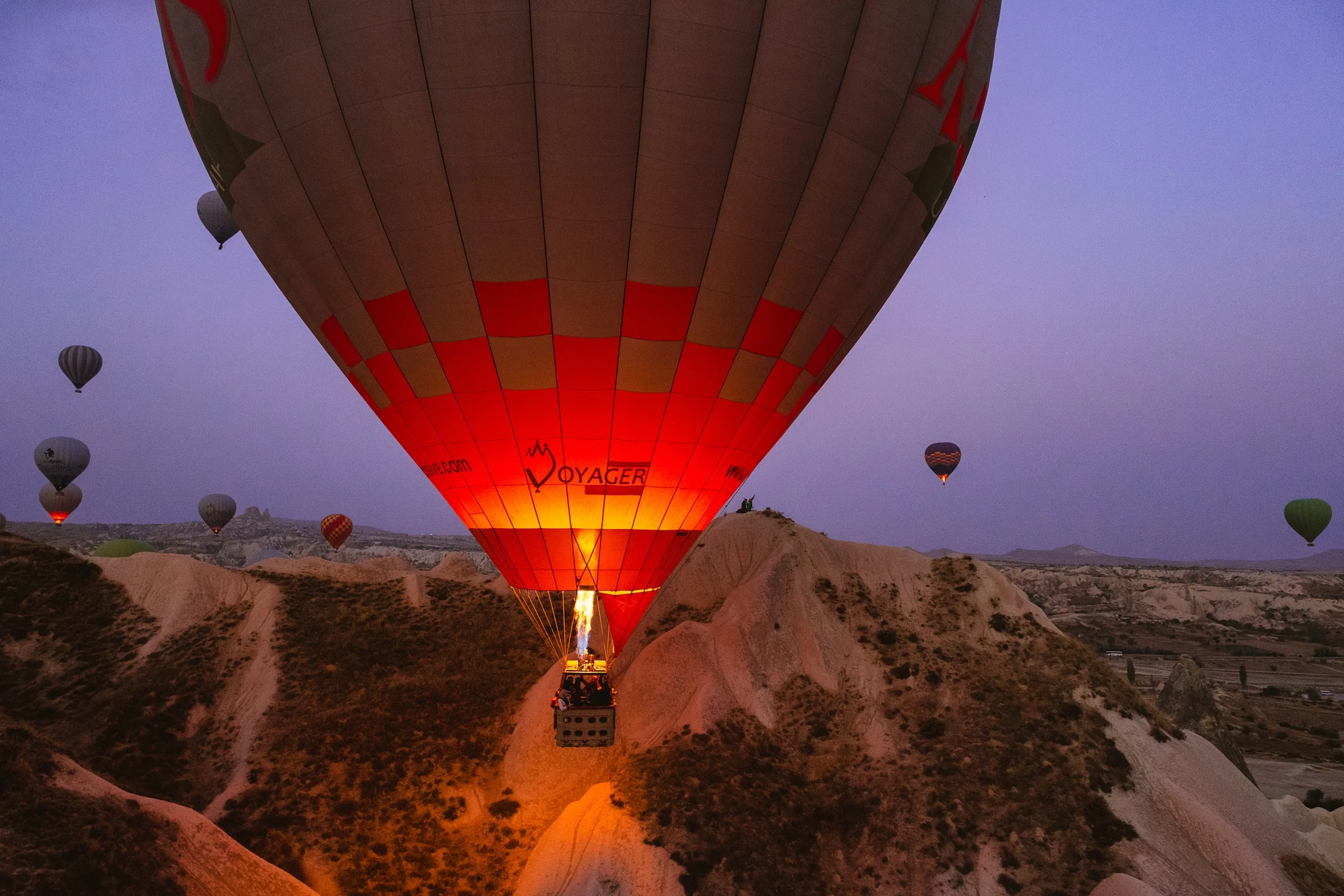
Quick Answer
After 25 years guiding visitors through Cappadocia, I’ll be direct: where you stay matters as much as what you do. Göreme suits most travelers — it’s walkable, central, and has options from €40 backpacker dorms to €400+ luxury cave hotels. If you want quiet and wine, choose Ürgüp. For views and authenticity, split your time between Uçhisar and Ortahisar. Budget conscious? Avanos and Çavuşin give you the same landscape for less. Don’t let “cave hotel” marketing fool you — I’ll explain what you’re actually getting for your money.
Understanding Cappadocia’s Accommodation Reality
When people ask me where to stay, they usually ask the wrong question first. They ask “cave hotel or regular?” Instead, ask: “Do I want walkability or views? Budget or comfort? Sleep to explore or explore to sleep?”
Here’s the honest version. Cappadocia’s six main towns are spread across 40 kilometers. Each has a different rhythm. You could stay in the same place for three days and feel completely different depending on which town you picked. I’ve watched visitors get frustrated because they chose based on pictures alone, not lifestyle.
The second truth: “cave hotel” is marketing language. Some hotels are actually carved directly into the fairy chimneys — these date back centuries and are genuinely special. Others are new buildings designed to look carved, with painted stone, fake arches, and modern plumbing disguised as ancient. Both can be wonderful, but the price difference tells the real story.
Realistic 2026 pricing for Cappadocia:
- Budget: €40–80 per night (dorms, basic guesthouses, newer “cave-style” buildings)
- Mid-range: €100–200 (authentic cave hotels, established hotels with character)
- Upscale: €250–600+ (genuinely historic cave conversions, fine dining included, white-glove service)
Above that? You’re paying for brand and exclusivity, not better rocks.
Göreme: The Tourist Center (For Good Reason)
The vibe: Walkable, energetic, touristy but genuine. Sunset at Göreme overlook is a shared ritual. You’ll see balloons, hear German, French, Japanese, Turkish. Restaurants cluster around the main square. Caves everywhere — carved churches, hotels, shops.
Who it suits: First-time visitors, solo travelers, people who want walkability without planning logistics, anyone wanting the full Cappadocia experience compressed into one town.
Price range: €45–400 per night depending on what “cave” means.
The honest assessment:
Göreme is the easiest choice because it is Cappadocia’s geographic heart. You wake up, walk down the main street, and you’re already in the landscape. The downside? Peak season means crowds. Summer evenings, you’ll share sunset viewpoints with 200 other people. But here’s what I tell visitors: that’s not a problem if you manage expectations. Go at 5:45 PM, not 6:15 PM. Or watch from your hotel terrace.
Accommodation splits clearly:
Budget options (€45–75): Hostels, pension-style guesthouses. Clean, social, basic. Many are carved into hillsides but carved recently — 2000s or 2010s. You get the aesthetic, proper utilities, and other backpackers to explore with. Expect shared bathrooms, thin walls, early-morning breakfast crowds.
Mid-range (€100–160): Here’s where authentic cave hotels live. These are often family-run, multi-generation businesses where the owner’s grandmother lived in the same cave 50 years ago. You get real stone walls (original), modern plumbing hidden behind traditional surfaces, breakfast on a terrace with views, and owners who know every trail. This is my category for most travelers.
Upscale (€200–400): Chain-quality service in cave settings. Spa facilities, restaurant, standardized housekeeping. Some are exceptional. Others feel like someone tried to apply Hilton logic to a 500-year-old cave, which always creates awkward moments (like elevator shafts carved through medieval structures). But if luxury means reliable hot water and someone else doing logistics, it works.
Walkability: 9/10. Göreme’s main street and immediate surroundings are completely walkable. Rose Valley, Sunset Valley — these require short walks. Red Valley hikes start from town. Only real con: stairs. Lots of them. Stone, uneven, steep. If mobility is limited, factor in taxi costs.
Best for: First visit, multi-activity trips, people without a rental car, anyone wanting evening restaurant choices.
Why we recommend mixing: Stay 2 nights in Göreme to acclimate, then move to Ürgüp or Ortahisar for deeper perspective.
Ürgüp: Upscale and Wine Country
The vibe: Sophisticated, quieter than Göreme, wine-focused, higher price point, cleaner air, fewer English signage (“we’re not marketing to you specifically” vibe).
Who it suits: Couples, people over 40, wine enthusiasts, anyone wanting comfort without backpacker energy, travelers planning 4+ nights.
Price range: €120–500+ per night.
The honest assessment:
Ürgüp is 10 kilometers from Göreme but feels like a different country. The Ottoman architecture is more intact. Wine bars outnumber nightclubs. English speakers are fewer. Tourism exists but doesn’t dominate the town identity.
This is where many visitors wish they’d stayed, especially on quiet mornings. Coffee tastes better here — slower, intentional, Turkish not tourist-Spanish.
The accommodation story in Ürgüp reflects this. You get fewer budget options (there are some, €80–100, but they’re less common) and more established mid-range and upscale properties. The best cave hotels here are genuinely old — some families have lived in them for generations before converting to tourism. You’re not renting a “cave experience”; you’re renting a family’s ancestral home with its original kitchen cave carved in 1500s converted to modern use.
Wine routes start from Ürgüp. If you care about wine, this matters. Cappadocia wines are exceptional — Cinsault, Emir blends — and Ürgüp is ground zero. Hotels arrange tastings. Restaurants feature local wines prominently.
Walkability: 7/10. The town center itself is walkable. Restaurants, shops, the main square are compact. But balloon tours, wine estates, and hiking trailheads require a car or organized excursion.
Practical truth: You need wheels or a driver here. Ürgüp isn’t designed for walking everywhere like Göreme is. Taxis are reliable; rental cars cost €35–50/day.
Best for: Couples, wine interest, 4+ night stays, people wanting calm evenings, second-time visitors.
Our recommendation: If you have 5+ days, do 2 nights Göreme, 3 nights Ürgüp. The contrast teaches you about Cappadocia better than staying in one place.
Uçhisar: Panoramic Views and the Castle
The vibe: Dramatically positioned on a hilltop, quieter than Göreme, views dominate everything, feels slightly isolated in a good way.
Who it suits: Photographers, people wanting “postcard Cappadocia,” couples, anyone prioritizing scenery over walkability.
Price range: €80–350 per night.
The honest assessment:
Uçhisar is built into the hill itself. The castle is a 40-meter sandstone rock you can climb for the region’s best panoramic views — sunrise or sunset, it doesn’t matter, you’ll be stunned. But here’s the trade-off: everything in Uçhisar tilts upward or downward. There are no flat streets. Your knees will notice.
Cave hotels here often integrate directly with hillside architecture, which is beautiful until you realize your bathroom is carved 2 meters from the main street (soundproofing: limited). But most visitors don’t mind because they’re captivated by the views.
The town itself is small — one main street with basic restaurants and shops. You’re not choosing Uçhisar for nightlife or restaurant variety. You’re choosing it for scenery and quiet. Which sounds romantic until you’re hungry at 10 PM and the one kebab restaurant is closed.
Walkability: 3/10. Theoretically walkable, practically challenging. The incline is relentless. You’ll use taxis to get anywhere beyond your hotel street.
Practical requirement: Car or driver essential. Uçhisar is a photogenic village, not a functional base for multiple-activity days.
Best for: Photography trips, sunset chasers, couples seeking romance, short stays (1–2 nights) between other towns.
Our recommendation: Don’t stay here as your main base. Use it as a 1-night pause for views and quiet, then move to Göreme or Ürgüp for daily exploration.
Ortahisar: Authentic and Emerging
The vibe: Genuinely local, under-touristed, emerging guesthouse scene, fewer English speakers, real village life visible.
Who it suits: Travelers wanting authenticity over amenity, people wanting to support smaller communities, anyone seeking “untouristy” Turkey, explorers comfortable without constant signage.
Price range: €50–180 per night.
The honest assessment:
Ortahisar sits between Göreme and Uçhisar geographically but feels years behind in tourism development. This is actually good news if you like authenticity. You’ll eat breakfast next to construction workers, not tour groups. You’ll hear Turkish conversations, not pre-recorded welcome messages.
The castle here is smaller than Uçhisar’s but climbable. The surrounding landscape is identical to Göreme’s (you’re not missing views). What you gain is quiet. What you lose is convenience.
Accommodation is mostly small guesthouses, family-run, with inconsistent online presence. Booking can feel risky because everything’s on TripAdvisor, not major platforms. But this is exactly why prices stay reasonable and owners care about individual guests.
Here’s the truth: if you speak some Turkish or enjoy non-English interactions, Ortahisar rewards you. If you need English directions and pre-planned dining, it’s frustrating.
Walkability: 5/10. The village center is walkable. Surrounding areas require transportation.
Practical note: Taxis exist but don’t cruise. You’ll call your hotel to arrange pickup. Phone Turkish helpful.
Best for: Return visitors, longer stays (3+ nights), people prioritizing budget and authenticity, Turkish language learners.
Our recommendation: Perfect for travelers combining Cappadocia with deeper Turkey exploration. Stay 2 nights here, learn the rhythms, then hit major towns.
Avanos: Pottery Town and Budget Paradise
The vibe: Riverside location, pottery heritage, genuinely affordable, touristic but not aggressively so, busier than Ortahisar but less frenetic than Göreme.
Who it suits: Budget travelers, pottery enthusiasts, families, anyone wanting character without backpacker hostels, people comfortable with basic but clean accommodations.
Price range: €40–120 per night.
The honest assessment:
Avanos sits on the Red River and has been pottery town for 4,000 years. You’ll see potters at wheels in street-level studios. You’ll sleep in caves actually carved by potters centuries ago. This is functional history, not museum history.
The town has energy without overwhelm. Restaurants are genuine — locals eat here too. Accommodation is budget-friendly because Avanos doesn’t charge Göreme prices, despite offering similar landscape access. Why? It’s slightly off the main tourist trail. 15 kilometers from Göreme feels far enough to stay local pricing.
Cave hotels here range from €40–80 for genuinely old spaces (dark, basic, authentic) to €100–150 for updated versions (stone walls, modern plumbing, charming). The difference is investment and compromise. Older caves lack windows; newer ones integrate light wells. Both feel real.
Pottery workshops are everywhere. You can take 2-hour classes, watch demonstrations, buy directly from makers. This is real craft, not souvenir shop decoration.
Walkability: 6/10. The main riverside area is walkable. Beyond town requires transport.
Practical strength: Avanos has excellent small car rental shops and experienced driver connections. Exploring from here is economical.
Best for: Budget travelers, pottery interest, families, anyone staying 3+ nights wanting economics to work out.
Our recommendation: Combine Avanos with Göreme (different rhythms) or make it your base if budget is primary. You’re not sacrificing experience here — just tourist markup.
Çavuşin: Small, Quiet, In-Between
The vibe: Tiny village, genuinely quiet, positioned between Göreme and Avanos, feels frozen in time (literally — no visible development in 20 years), excellent hiking access.
Who it suits: Quiet seekers, hikers, people wanting minimal tourism, travelers comfortable with limited restaurant options, anyone staying 1–2 nights between other towns.
Price range: €45–100 per night.
The honest assessment:
Çavuşin is a village you visit if you’re already nearby, not a destination unto itself. But here’s the secret: it’s perfect for that role. One or two guesthouses, one restaurant, trails branching into Red Valley and Rose Valley. You could hike all day and return to a quiet dinner and early sleep.
The famous Byzantine church here (Çavuşin Church) is worth 30 minutes. But you’re not flying to Cappadocia for Çavuşin specifically.
Accommodation is basic but genuinely welcoming. These are homes that rent rooms, not hotels pretending to be homes. You’ll meet the owner’s family, eat their breakfast, understand their life. The trade-off is creature comforts. If you need strong WiFi, you might struggle. If you need choice, you won’t have it.
Walkability: 4/10. The village itself is tiny (20 minutes to see everything). Trailheads are nearby but require hiking or short drives.
Best for: Quiet nights, hiking bases, in-between nights while traveling through region.
Our recommendation: Don’t plan Cappadocia around Çavuşin. But if you’re hiking Red Valley, consider sleeping here. You’ll have the trails to yourself at dawn.
Cave Hotels Explained: What You’re Actually Paying For
This deserves its own section because the marketing is thick.
A genuine “cave hotel” is built into existing fairy chimneys or hillsides. The walls are actual volcanic stone carved centuries ago for dwellings or churches. You’re living in history. Advantages: temperature stability (stays 18°C year-round, which is useful in summer but cold in winter). Character, texture, authenticity. Disadvantages: limited light, low ceilings in some rooms, dampness if poorly maintained, no soundproofing between guest rooms carved adjacent.
A “cave-style hotel” is new construction designed to look carved. Actual stone, intentional arches, but built 2000s onward. Advantages: modern utilities integrated invisibly, proper insulation, better light. Disadvantages: costs nearly as much as genuine caves while feeling slightly theatrical, lacks authentic weathering and irregular surfaces.
In 2026, both types should have:
- Modern plumbing and hot water (non-negotiable)
- Proper ventilation (poorly maintained caves smell like history and mildew)
- WiFi (confirm before booking)
Pricing difference: A 400-year-old cave room with original stone and character: €150–250. A 20-year-old “cave style” room with equivalent comfort: €120–180. You pay 20–30% more for authenticity and history.
Neither is inherently better. Choose based on whether you want “slept in a 15th-century cave” stories or “slept in a comfortable stone room” comfort. Both are valid.
Which Town to Choose: Decision Framework
First time, 3 days: Stay in Göreme. You need walkability, restaurant choices, and immediate trail access. Rest happens naturally.
Couples, 5+ days: Do 2 nights Göreme, 3 nights Ürgüp. You get activity variety and then peaceful sophistication.
Budget priority, 4+ days: Avanos + Ortahisar split. Both stay under €80/night, both offer real experience, both have good food.
Photography/scenery focus, 3 days: Göreme base with 1 night Uçhisar for sunrise. You need central location + scenic night.
Quiet/authenticity, 4+ days: Ortahisar or Çavuşin with day trips to Göreme or Avanos. You’ll see everything while staying off the tourist arc.
Wine and slow living, 5+ days: Ürgüp. Don’t rush. Breakfast takes 90 minutes. That’s the point.
Practical Logistics
Transportation between towns: Taxis cost €25–40 depending on distance. Rental cars €35–50/day. Organized transfers through hotels usually mark up 50–100%.
When to book: June–September books 4–6 weeks ahead for decent caves. April, May, October, November: 1–2 weeks. December–March: Often available same-week.
What you’re actually renting when you book: Not just a room. The owner’s relationship with local guides, restaurants, hiking trails. The best accommodations are connected. The worst are isolated. Read recent reviews for owner responsiveness, not just room description.
Red flags: Photos looking 7+ years old. No actual guest reviews from past 6 months. Descriptions that exaggerate (“ancient cave used by Byzantine monks” — verify). Prices that seem impossible (if it’s €30 and five-star reviews, something’s off — usually it’s a hostel bed or water pressure issue).
Frequently Asked Questions
What’s the cheapest honest accommodation in Cappadocia? Avanos and Ortahisar hostels and small guesthouses run €40–50, and they’re legitimately clean. Hostels in Göreme run similar prices but are more social. Below €40, you’re likely dealing with soundproofing issues or questionable maintenance. Not worth it.
Are cave hotels actually cold in winter? Cave hotels stay around 15–18°C naturally, which feels cool but not freezing. Many add heating systems now. If you’re visiting November–February and cold bothers you, ask specifically about heating before booking. Some genuine caves have minimal heat options because cutting electrical lines into 500-year-old stone feels wrong.
Can I walk between the towns? Not practically. Hiking trails connect them, but roads are narrow and unsafe for pedestrians. Taxis are cheap enough that walking between towns isn’t worth the risk or time. Walk within towns, taxi between them.
What if I hate my accommodation once I’m there? Happen more than tourism websites admit. Cappadocia’s small enough that you can change hotels mid-stay. If something’s genuinely wrong (mold, noise, misrepresented), hotels often rebook you elsewhere rather than argue. Contact your booking agent or hotel owner directly — most will solve it.
Should I book through Airbnb, Booking.com, or direct? Booking.com charges hotels 15–20% commission, which they often pass to guests indirectly (higher prices). Booking direct through hotel websites saves 10%. Airbnb adds 20%+ in platform fees. For Cappadocia specifically, Booking.com has best review volume. But call the hotel directly and ask “what’s your direct rate?” — often they’ll match Booking prices to avoid commission.
Do I need to stay in a cave hotel? No. You’ll see beautiful stone architecture either way. If the premium for “actual cave” versus “cave-style building” is €50/night and your budget is tight, save it. You’ll have the same Cappadocia experience, honestly. The cave thing is Instagram-friendly but not essential.
Where Next?
Planning your full Cappadocia experience? Check out our guides to the best time to visit Cappadocia and the things to do in Cappadocia. Want to see everything in a structured way? Our 3-day Cappadocia itinerary breaks down realistic daily logistics. And if you’re combining this with Turkish history, our friends at Serendipity Turkey offer deep dives into the broader region.
Thinking beyond Cappadocia for your Turkey trip? The ancient site of Göbekli Tepe is changing how we understand human history — worth a read if you’re interested in the deeper archaeology of this region.
I’ve guided thousands of visitors through these towns. The biggest mistake isn’t choosing the wrong accommodation — it’s choosing any accommodation without understanding what matters to you. Quiet, walkability, budget, views, authenticity, silence. Once you know that, everything else falls into place.
Book with confidence. You’re going to have a good time here.
— Fazli